


A First-Timers Guide: How To Plan An International Trip
- Steph Haber

- Apr 5
- 13 min read
Updated: 6 days ago
This post contains affiliate links. If you make a purchase through these links, I may earn a small commission at no extra cost to you.
Picture this - an international trip has been discussed in the group chat / you've made the decision to adventure solo for the first time internationally. The excitement is growing, however you feel a little anxious because you're not quite sure what research to do...yup, we've all been there. I felt like that too the first few times I travelled internationally; but after visiting 99 countries I've got this down pact! In this post, I'll share my knowledge on how exactly I plan my trips and what I consider each time I travel.
Choosing Your Destination
There are a number of things you will need to take into consideration when planning your international trip, first and foremost - where exactly in the world you'd like to visit and how long for.
Time of year
When choosing your destination, it is important to keep in mind the time of year you want to visit and the weather as this can impact your trip cost wise - for example visiting Italy in June/July/August for European summer - which is peak season; or Bali in February/March - cheaper time to visit, however it is wet season. In some countries there may be cultural or religious celebrations or better times to visit depending on what you want to see this can impact the overall cost.
I personally like to visit places during shoulder season (which is spring/autumn/beginning of monsoon season).
Budget
A basic budget for how much you're going to spend for the base for the trip, this should include the following:
• Passport and visa's
• Transport - Return flights and internal flights or transport such as buses or trains
• Travel insurance
• Accomodation - hotels, hostels, airbnb's or home stays
• Organised group tour or solo travel
• Planned activities or must do's
• A rough idea of your spending budget
• Specific things you may need to purchase for the destination that you don't already own
Once you have a rough idea on these costings, it is easier to determine when you can book the trip and how far in advance, to ensure that you have enough savings to pay for the essentials.

Travel Style
When choosing your trip destination, it is important to keep in mind exactly what type of trip you'd like to have. For example - are you thinking more of indulging in a history/cultural experience, a relaxing beach-side holiday, an adventure activity based trip, safari or a foodie based trip.
Visa Entry Requirements
Some countries require a visa to enter and you have a certain amount of days you're allowed to be in the country before you have to leave. With each country the visa fee varies, this also depends on your passport. Some countries require other fees to be paid on arrival or through an e-visa section. It is best to check with your government website to see whether you require a visa or not.
For Australian's - your best friend is smartraveller.gov.au; this website gives an indepth explanation of every country around the world, government advice on travel considerations, the correct booking link on where you get a visa (there are a lot of scam websites that charge you more).
When To Book
Ideally when planning your long haul international trip, it is best to book a few months in advance to avoid disappoint on missing the best deals or missing potential dream accomodation.

Flights
For international flights, ideally it is best to book these at least 6 months prior to your departure date, remember the earlier you book in advance the cheaper it'll be. Some airlines have specials/savings around November/December for the year ahead, keep an eye out on their socials or sign up to newsletters for the best deals.
Accomodation
Depending on what season you're travelling in and your chosen destination, this should be booked as early as possible.
For example - when I visited the Phillipines in April 2024, my friend and I left booking our accomodation in Siargao to a 10 days before we arrived there as we were asking other travellers in the hostel for recommendations, by the time we went to book there wasn't much choice of accomodation.
Organised Group Tours
Personally, I find the best time to book an organise group tour is when they have their "Black Friday Sales", around November/December or earlier in the year January/February. This is where you will be able to get a great deal (for a discounted price).
I've travelled with many group tour companies in my early twenties to the present and would always recommend doing these styles of trip for a number of reasons:
• Your trip route, transport and accomodation is pre-planned and booked, making this a seamless and less stressful booking experience
• You will feel safe (this is my number 1 priority!!)
• A knowledgable local trip leader that speaks the local language and is super helpful
• Special experiences that are organised through the company
• You will meet the most wonderful people and form friendships that will last a lifetime
and so much more!
Booking Flights
You've picked your destination and created a basic budget, now for the fun part, it's time to start to booking your flights.
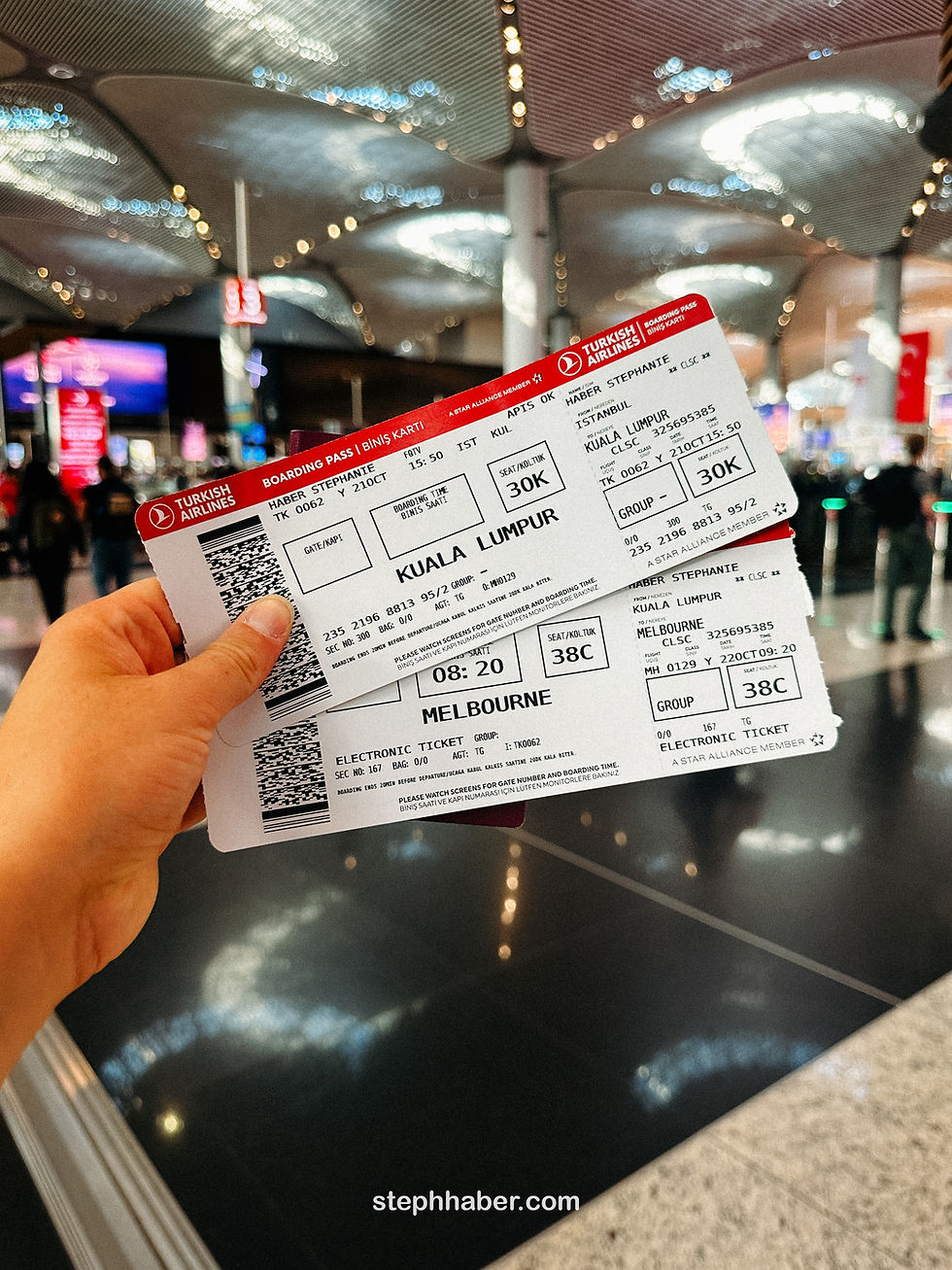
You can compare flight prices and routes through Skyscanner or Google Flights, or direct through the specific airlines website. You can also use a travel agent to book your flights and trip as well.
Take into consideration the flight times and layovers, budget airlines vs larger airlines and how you'd prefer the travel (economy girl here!). The price will be dependant on the distance to travel, peak/off peak season, layovers, baggage and time the flight departs. If you are more flexible with your dates you may be able to get cheaper fares.
I personally like to book my flights directly through the airline rather than a third party website - it just feels more secure for me (and this is my personal preference). As for layovers, direct is always the best option because you get there quicker, however some airports such as Changi Airport in Singapore is a fantastic international airport to have a layover.
Booking Accommodation
You've booked your flights, yay! It's now time to book your accomodation.
When booking accomodation (depending on your travel style and your personal preference), it's a good idea to keep in mind the location you will be staying in - to consider safety especially if you're travelling solo.
Hostels
Hostels are always a winner with me - if you don't mind shared facilities (some hostels have private rooms/bathrooms too) and this is a very affordable and sustainable way if you are planning on doing long term travel. You can either book hostels through Hostelworld (the moble app is the best and you usually get better discounts through here) or direct through the hostel's website.
I've found that hostels in South East Asia & Europe to be absolutely fantastic, each hostel has a different vibe - party hostel which is more social or you can come across some that are less social too. Hostels usually run free walking tours or have events that you can sign up to which is a great way to interact with other travellers especially if you're keen to meet new people.
Hotels / Luxury Accomodation
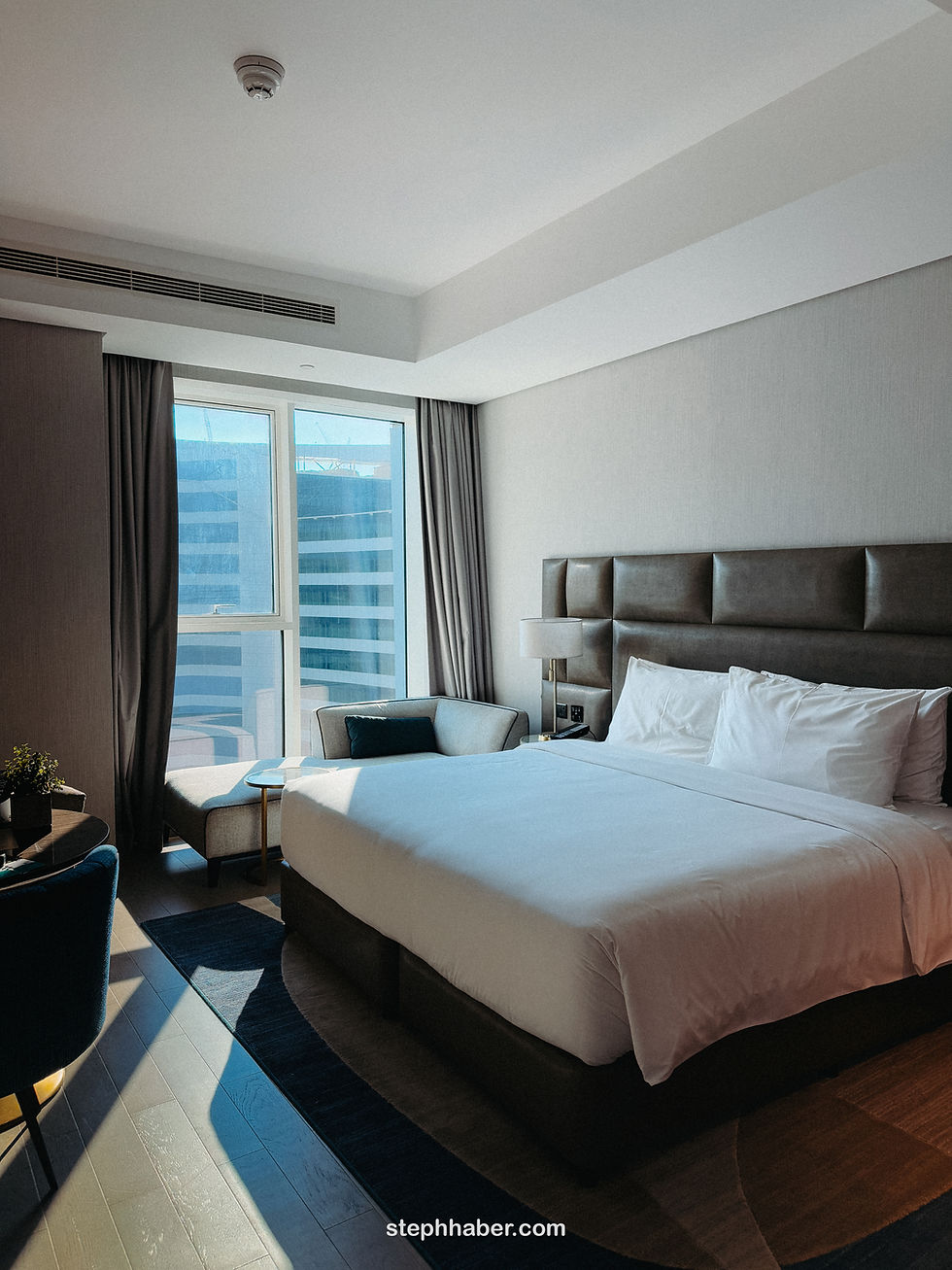
There is a vast variety of hotels and luxury accomodation that can be booked, depending on your travel style.
The best booking platform I have found for hotels is Booking.com. You can sign up and have a membership with them and depending on your stays you can grow - there are 3 level tiers.
I'd also recommend reading recent reviews of where you're choosing to stay, this will allow you to have a better understanding of the accomodation and its amenities.
Travel Insurance
This is a non-negotiable. I can't stress this enough. I always travel with $0 excess just for peace of mind but as long as you have insurance to cover you for medical, trip cancellation and lost luggage. that’s a big tick on my list.
The best travel insurance company I have used for the last 10 years is Travel Insurance Direct, to me they have the best value for money and cover everything I need.
Passport and Visa's
Passport
Always check your passport's validity and expiry date. Some countries do not allow you to enter if you have less than 6 months left before your passport expires. If this is your first trip and first time getting a passport they usually last for 10 years (unless all of your pages are full of stamps, then you will be required to get a new passport).
HOT TIP FOR AUSTRALIANS: Our passport prices go up every year on January 1st, so if you need to renew your passport it's best to do it before the price increase.
Visa Requirements
Depending on what nationally of passport you hold, some countries may require you to obtain a visa for entry. This can either be a physical visa in your passport (where 2 blank pages are required) or an e-visa. The price varies for each visa/country and depends on your nationality. There are lots of scam websites for e-visa's out there, so it is best to check on your government travel website - Smart Traveller for the Australian's, this will have a direct link to the appropriate website.
Some visas also require different sized passport photographs for example the Indian visa requires a square photo, not the standard passport photo size.
If you are required to get an e-visa, it is always a good idea to have a printed copy of this document, so it is easily presented to the customs officer.
Entry Rules
You may need to show proof of forward travel/return ticket or proof of funds when you arrive in certain countries. This is a requirement when you go through customs (this is basically to prove that you have onward travel plans and will not be overstaying your visa.). If you overstay your visa, you risk being deported.
Budget Planning
As I mentioned a little earlier in this post, budget planning is essential to ensure you have enough funds to pre and post trip.
When planning your trip, you'll need to take budget accordingly for the following:
• Flights and transport
• Accomodation
• Tours and activities
• Daily spending
• Emergency buffer
Having an emergency buffer is essential just incase an incident happens or you get stuck somewhere - a good idea is to have around $500USD as a buffer.

Packing
To be honest with you, I am a serial over packer; but in recent trips I've actually been reasonable when I pack my bags. Depending on where in the world I'm visiting and the duration, I will either take my trusty July suitcase or my Kathmandu 70L Backpack plus small 40L backpack for my carry on - if I was just using carry on, the 40L backpack is great!
Bag Packing
I live and breathe having a neat bag and packing system for my bag, therefore everything is neat and organised. I use packing cubes or compression packing cubes to split up my clothing.
When you're packing for your next adventure, you'll need to think about the climate you'll be in (for example if its high altitude, pack layers and warm clothes) and the culture. In some cultures you need to be covered - women should have their shoulders and knees covered, it depends how conservative they are.
If you decide to travel with a backpack, please make sure you will be able to carry it on your back (you don't want to get injured or strain your back if it is too heavy).
The Essentials
Check to see what wall plug / power point is used in the country you are visiting. I recently purchased this universal adapter from Amazon - it's an all in one product with the main adapters.
If you are travelling with medication you may need a certificate from your doctor for proof that you need it (as some medications are banned in certain countries). If you are travelling to a destination where malaria is present, it is highly advisable to speak with your doctor as you make like to get malaria tablets.
I would recommend having printed versions of your important documents - a copy of your passport and visas if required are essential (you never know when internet or wifi will not be accessible)
Money and Banking
Please notify your bank prior to leaving your home country, of your trip to avoid your cards being frozen - this can usually be completed through your banks website or app.
I'd recommend bringing multiple travel money cards with you (always good to have a back up); for example, the last time I was visiting Turkiye I was getting cash out of the ATM and it lost power. I completely lost my bank card to the ATM and was unable to retrieve it. I luckily had a back up bank card so my money was still accessible. Most banks offer a travel money card, however the exchange rates may not be the best.
Travel Money Card Recommendations
ING Bank - Australian Bank with 0% international fees, I've linked you to my referal code so if you sign up and follow the steps, you're also eligible for $125!
Cash
Carrying local currency is another great idea especially if you are visiting markets. Please only bring the essential amount out with you for the day to avoid being a target of pickpocketing or robbery.
If you wanted to exchange money, bringing USD with you is preferable to exchange (the notes have to be in pristine condition), as some countries may not be able to exchange your local currency - this depends where you visit.
Travel Apps + Tools
My favourite travels apps and tools to use are:
Skyscanner + Google Flights - for booking flights
Google Maps - getting around once you've arrived (you can also download offline maps)
Hostelworld - Booking hostels + they have a chatroom option where you can meet with other travellers
Stippl - Travel planning app
Rome2Rio - Trip planning app
Uber, Grab, DiDi, Bolt - Rideshare apps
BookAway - Book bus/train tickets
Flixbus - Book bus tickets
Get Your Guide - You can book day trips/activities through here
Klook - You can book day trips/activities through here
GuruWalk - Free walking tours
VPN Super - Free VPN App
Xe - Currency exchange converter app
Airalo - Afforable eSim's
Adobe Lightroom - Free photo editing app
CapCut - Free video editing
Getting Around
Researching Transport Options
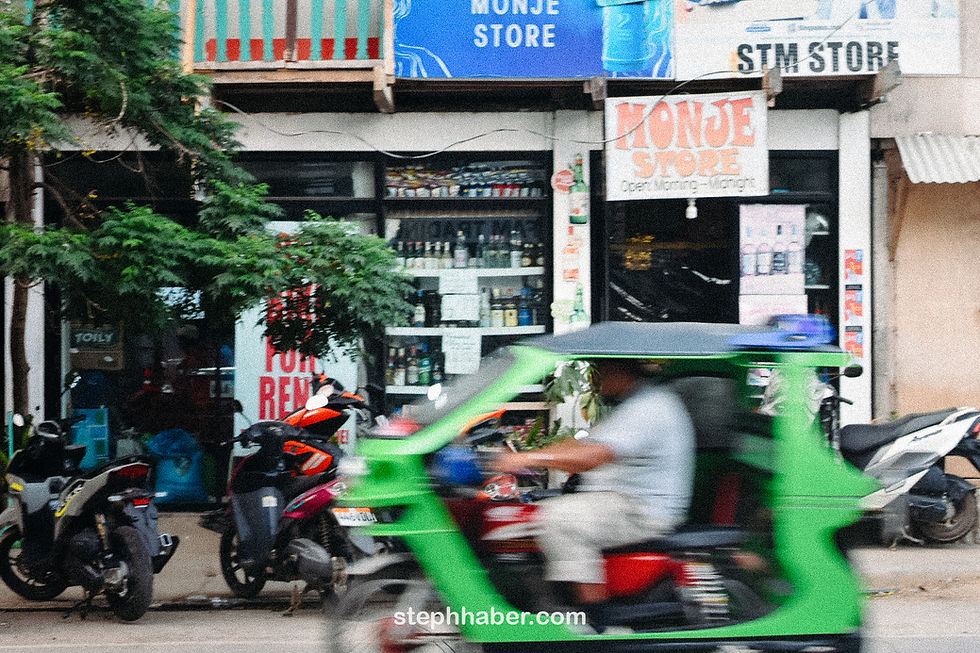
Depending on your time schedule, it's a great idea to research your transport options to see what works for you. This could mean you'll book an overnight bus or train (save money on a nights accomodation + arrive at your next destination the next morning) rather than flying, as this usually works out cheaper.
Download Offline Maps
If you decide not to get a sim card, I highly recommend downloading offline maps so you can get around. You can download this on Google Maps.
Check Travel Times
Always check your travel times, just because one country is close to another does not mean it's going to take a short time to travel to one another. Please remember to
SIM Cards + Internet
Would you believe it that when I first started travelling I just heavily relied on WiFi and never purchased a sim card in the country I was visiting (would always just rely on free public wifi or offline maps).
I prefer to purchased a local sim at the airport of your destination country. You can get really good deals with the local sim cards (more data and you'll actually have a number just incase you need to make a local call to your accomodation, this is a great thing to have). Depending on the amount of days I am visiting - for example if I am visiting Indonesia (Bali), I will just use my Optus sim with international roaming. This charges me $5AUD or $10AUD a day and includes 5GB of data and free unlimited international calls and texts.
For eSims, I recommend Airalo (I used this in Europe in some countries where my local sim card didn't work) and it was great, this was just for data.
It's a great idea to stay connected, especially for safety reasons.
Cultural Awareness
Dress Codes
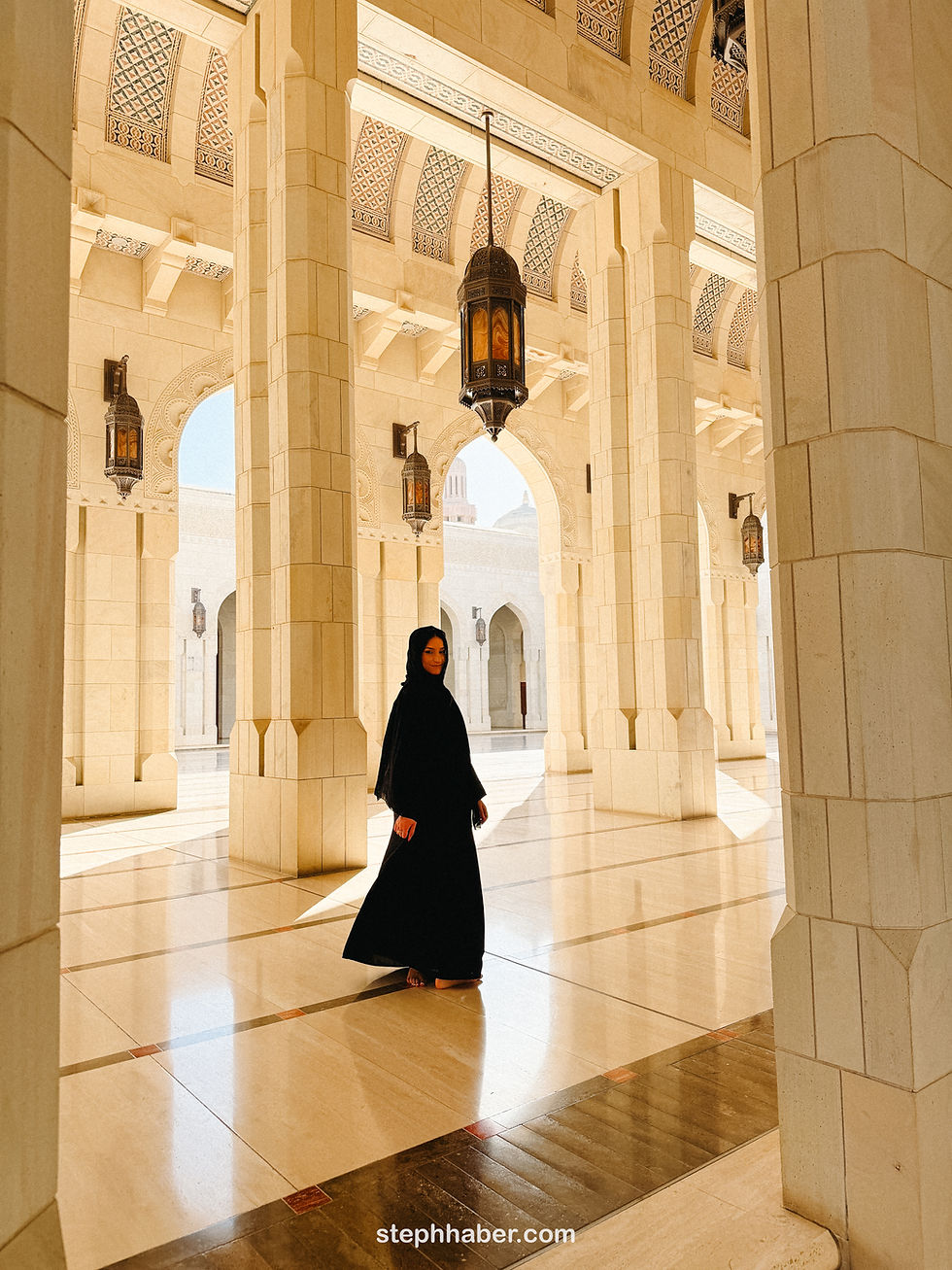
This is super important to keep in kind when travelling, being culutrally aware. There are certain countries in the world that follow dress codes depending on how conservative they are. For women, this means shoulders covered and a long skirt or pants and for men a shirt and long pants. Dress codes can apply in many instances such as visiting a religious site (churches or mosques) or dressing modestly to respect the locals / local customs. It's always a good idea to travel with a sarong/shawl/head scarf if you're visiting these places in particular.
Basic Phrases
Learning basic phrases and greetings such as, "Hello", "How much is this?" "Where is the toilet?" "Thank you" is a great way to interact with locals and to show appreciation to their country. Local people really appreciate this, especially if they don't speak english, you can still get a basic understanding with hand singals.
Solo Female Travel Tips
For the gals, here are some travels tips I live by to ensure I am safe!
• Trust your gut!! If you start getting weird vibes from an area or someone you're having a conversation with, that's your brain alerting you that this is probably not a good idea or safe. • Sharing my location with someone (can be your parents or a friend back home)
• Never say you're travelling alone ("I'm going to meet my friend")
• Arrive at your destination during day light hours where possible
• Don't walk the streets at night alone
• Be confident and blend in
• Don't walk around with headphones in, it's better to be aware of your surroundings
Planning for Photography
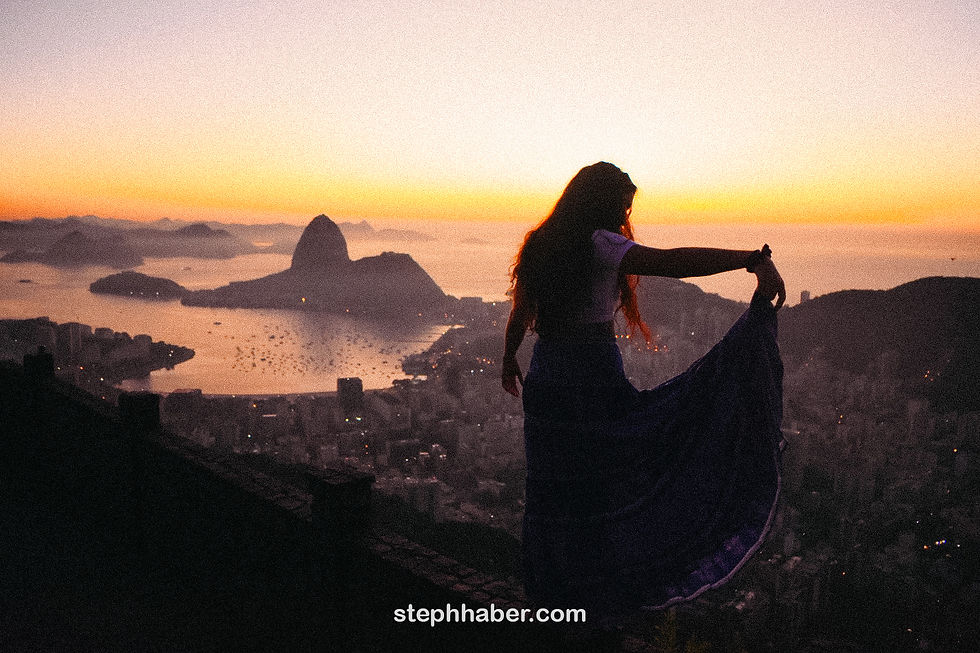
We all know I LOVE going on photo missions while I am travelling! I will conduct some research online on other travel blogs, Instagram or TikTok to scope out some locations and figure out a way to get there. I also really enjoy going for a walk in the early morning to take photographs before the streets get busy, if you're an early riser like myself it's a great time to shoot the locals (with permission) or the streets. I also find it safer to be walking around at this time in the morning when there is less people on the street.
The best time of day for landscape photography is sunrise or sunset, the light is crisp and golden at these times of the day, and creates soft shadows.
Safety + Emergencies
Having emergency contacts is essential, of course just incase (worse case scenario) something happens and people need to be contacted. I suggest you have this written down somewhere and possibly keep this with your travel documents so you have a hard copy version.
Take a business card from your accomodation's front desk (most hotels/hostels have these), just incase you get lost or your phone dies, so you are able to explain where you need to get back to.
Carry a portable charger/power bank with you at all times when you're heading out for the day so you have back up just incase!
Note down the country medical number for ambulances - for example in Australia it's triple zero.
Take a photo copy of your passport, I personally like to keep one in my luggage inside one of the pockets just incase my bag gets lost and take hard copies of your important documents.
Final Pre-Departure Checklist
You're a week out from going on an adventure of a lifetime - yipee!! The week leading up to your trip is a little nerve-racking but rest assured, you're about to have the best time ever. It's time to start thinking about packing your main luggage and getting the last bits and bobs ready.
I'd reccomend getting a little bit of cash exchange prior to leaving your home country, even if it is the equivaliant of $50, just so you have something when you land. Don't exchange this at the airport because the exchange rates there are terrible, it's best to visit a money exchanger at your local shopping centre.
My mum (bless her) created this pre-departure check list for myself and my brothers for every time we travel overseas, literally from the first time we ever left and I still use it to this day. This has all of the essentials of what would need to be packed, plus carry on essentials. I've created a free download so you can have your own copy too! You can download it here and print off a hard copy, so you can tick it off as you go!

Comments